Growth-hormone pen usability across adults and children
Daily-use devices may serve patients, children and caregivers with different strength, dexterity, experience and training needs.
Evidence approachUsability statements follow PubMed-indexed studies covering paediatric, caregiver and adult use of growth-hormone pens.
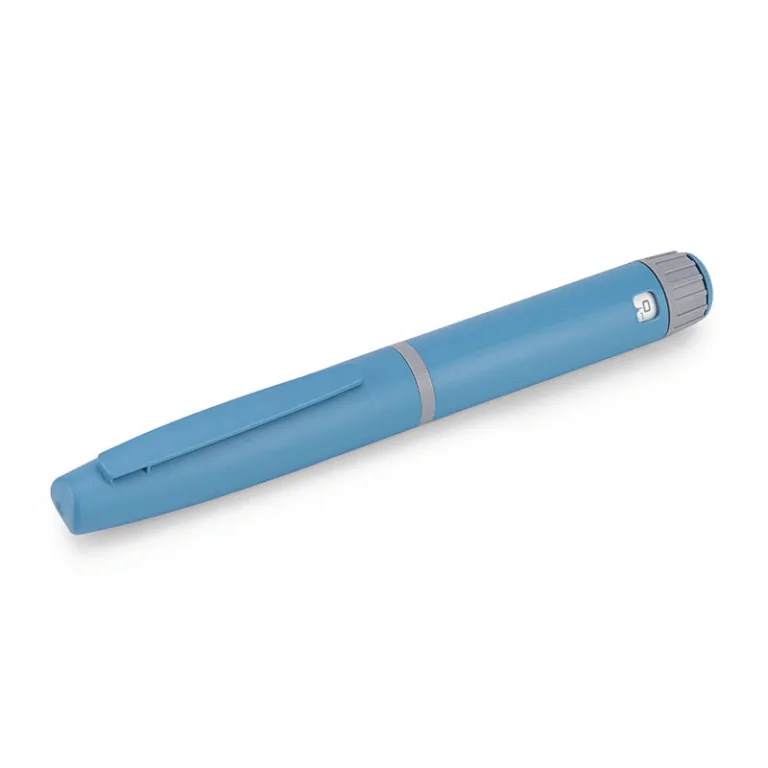
Representative reusable pen platform view for usability discussion only. Final suitability requires configuration specific evidence.
What the research found
A two-center usability study enrolled 106 participants, including adults and children or adolescents. More than 85% successfully completed the two primary tasks, and most handling steps were rated easy or very easy after repeated use.
Engineering interpretationRepresentative-user recruitment and task definition matter. Cartridge handling, assembly, injection and disassembly can create different use-related risks, particularly in reusable devices.
Connection to Penacta
A growth-hormone application reference on a platform page means the scenario may be assessed. It does not transfer usability evidence from the studied branded device or establish suitability for a formulation.
Which usability factors matter for growth-hormone pens
Dose readability, low-dose selection, repeat handling, cartridge change, grip and training may matter, but the priority depends on the intended user and presentation.
Decision table
Review area
Buyer action
Dose readability
Confirm the dose scale is readable by the intended user without extra training.
Repeated use
Test the pen across a full cartridge life rather than on a single dose.
Cartridge change
Walk through cartridge replacement and check for force or alignment errors.
Training
Define what a caregiver must be shown before first use at home.