
What dose-accuracy studies really tell pen-injector teams
Dose accuracy is configuration-specific. Published results for one commercial pen cannot validate another device, dose range, cartridge or formulation.
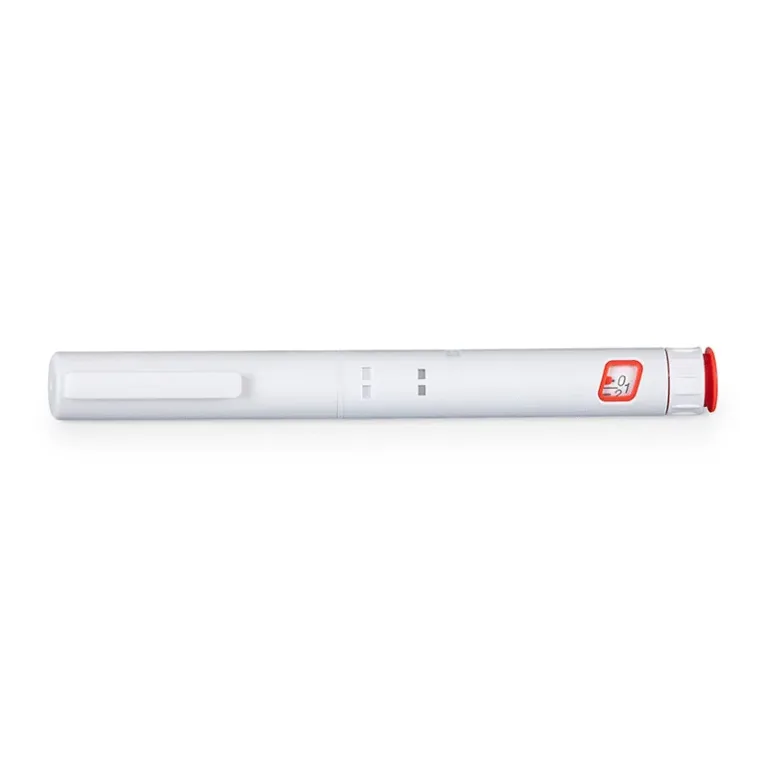
What the research found
A laboratory comparison of disposable insulin pens tested doses from 1 to 60 units, plus an 80-unit dose for one device. All tested pens met the study’s applicable ISO accuracy limits, with average absolute deviations between 0.09 and 0.81 units. Another head-to-head study found measurable differences among four pens, illustrating that protocol and device selection can affect comparative results.
What this means for a Penacta project
Penacta’s 60-, 75- and 80-unit platform descriptions remain separate because their dose ranges are not interchangeable. A platform can be screened against a target profile, but the final drug–device combination needs its own verification plan.
Limitations in the study evidence
The cited studies evaluated named insulin pens and insulin formulations. They do not establish performance for a Penacta product or for peptide formulations.
That is why the 60-unit, 75-unit and 80-unit platform descriptions stay separate instead of being presented as one interchangeable device.
Research basis
Krzywon et al. Dosing accuracy of commonly used disposable insulin pens. PMID 20151786.Hänel et al. Differences in the dose accuracy of insulin pens. PMID 19885213.Sources reviewed
Peer reviewed records used to frame the article and its limitations
Define a dose-verification strategy
Share the primary container, formulation and target dose profile.
Discuss the program →